


1. Early Life and Background
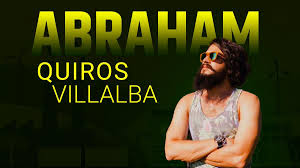
Abraham Quiros Villalba was born in San José, Costa Rica, where he grew up in a family that valued education, environmental awareness, and community service. From a young age, he showed a natural curiosity for science and language, embracing both technical and humanistic disciplines in his academic path.
His early exposure to both rural and urban settings sparked a desire to make a difference. This foundation shaped his passion for creating solutions that blend technology, sustainability, and social equity.
2. Education and Technical Training
He pursued a degree in electrical engineering at the University of Costa Rica, focusing on renewable energy systems, power electronics, and sustainable design. His academic work included projects aimed at improving the efficiency and accessibility of solar power technologies.
In addition to his engineering studies, Abraham explored areas like communications, environmental science, and multilingual education. This multidisciplinary approach enhanced his ability to solve complex problems across different sectors and communities.
3. Pioneering Work in Renewable Energy
Abraham Quiros Villalba is recognized for his innovative work in clean energy solutions, particularly for underserved communities. He designs solar-powered systems that are not only cost-effective but also reliable for areas with limited infrastructure.
He’s also led projects involving solar microgrids and portable energy systems, helping schools, clinics, and homes gain access to sustainable electricity. His mission is to bridge the energy gap while minimizing environmental impact.
4. Blend of Education, Language & Digital Innovation
Beyond engineering, Abraham has contributed to the fields of education and digital communication. He’s worked on educational platforms and content development that support language learning and technical training for diverse populations.
By utilizing his skills in multiple languages, he’s created inclusive and culturally relevant materials, helping people of various backgrounds access educational tools and information, both online and offline.
5. Social and Humanitarian Impact
Abraham’s commitment to social change extends beyond technology. He actively supports initiatives that bring clean energy to remote villages and underfunded schools, often combining these efforts with workshops and training sessions.
His work empowers local communities by providing them with the tools and knowledge needed to maintain and expand their own systems. These efforts promote long-term sustainability and self-sufficiency.
6. Leadership Style and Core Values
Abraham is known for his collaborative and ethical leadership style. He believes in inclusive decision-making, listening to local voices, and encouraging innovation through shared learning.
His values—sustainability, integrity, and respect—are deeply woven into each project he leads. Whether working with engineers, educators, or policy makers, he promotes a vision grounded in both data and humanity.
7. Recognition and Awards
His contributions have earned him recognition in areas such as clean energy innovation and social entrepreneurship. Various institutions and organizations have honored his work for its positive environmental and humanitarian impact.
These accolades reflect not just technical excellence, but also his ability to connect innovation with purpose. His projects consistently demonstrate how technology can serve people, not just profit.
8. Public Advocacy, Media & Communication
Abraham regularly participates in public speaking events, panels, and workshops where he shares insights on clean energy, education, and sustainability. He uses these platforms to inspire others and advocate for ethical technology use.
Through writing and content creation, he raises awareness about issues like energy access and climate change. His communication skills help turn complex topics into understandable messages that drive action and engagement.
9. Challenges, Growth & Innovation Mindset
Throughout his career, Abraham has faced challenges—from logistical hurdles in remote areas to funding limitations and policy constraints. Rather than setbacks, he views these as learning experiences that sharpen his problem-solving skills.
He constantly adapts his strategies, incorporating new technologies like improved battery storage or data-driven energy planning. His innovation mindset is rooted in resilience, flexibility, and continuous improvement.
10. Vision for the Future & Legacy
Looking ahead, Abraham Quiros Villalba envisions a world where sustainable energy is a basic right accessible to all. He continues to work toward building resilient communities through scalable and affordable technology.
He’s equally focused on mentorship—training young leaders, engineers, and educators to carry this vision forward. His legacy will be one of empowerment, innovation, and the belief that meaningful change begins with a single solution.
