


1. The Incident: What Happened at Iford Playing Fields
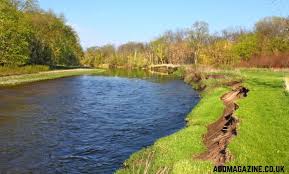
A significant section of the riverbank adjacent to Iford Playing Fields gave way, causing soil and vegetation to slough into the river. This collapse reshaped portions of the playing surface boundary, leaving unstable land and exposing roots and subsoil. The failure was obvious to passersby: sudden crumbling, cracks in the turf, and a steep drop-off replacing what had once been a gentle slope.
Local users of the fields—sports teams, walkers, families—were surprised by the extent of the damage. What had appeared to be a stable, grassy bank was revealed to have been under ongoing erosion pressure. The collapse caught many off guard, underlining how hidden weakening processes beneath the surface can lead to a sudden failure.
2. Geographical Setting: Why This Location is Vulnerable
Iford Playing Fields lie alongside a meandering river, which naturally exerts lateral forces on its banks through water flow. Over time, riverbanks in such settings are subject to gradual wear, especially at curves or bends. The proximity of the fields to the river’s edge places them in a zone of constant geological tension and hydrodynamic stress.
Moreover, soils near rivers often contain layers of silt, sand, clay, and organic matter, leading to variable stability. In wetter conditions, or when the water table rises, those soils become more susceptible to sliding or collapsing. Without robust reinforcements or dense root networks, such banks are at higher risk.
3. Contributing Factors: What Caused the Collapse
One of the key contributors was soil saturation. Heavy rainfall or upstream water surges can saturate soils, reducing internal cohesion and increasing pore pressures. When that threshold is exceeded, the bank can no longer hold its form and gives way.
Another factor was vegetation loss or disturbance. Roots of grasses, shrubs, and trees help bind the soil, reducing the likelihood of slippage. If vegetation is removed—whether by human activity, disease, mowing too close, or flood damage—the bank becomes more prone to collapse. Combined effects of water pressure, soil weakening, and root disruption often precipitate failure.
4. Immediate Consequences: Effects on the Field and Users
In the short term, parts of the playing surface near the collapse were rendered unsafe and unusable. Sports clubs had to suspend training or matches in affected zones, and walking paths were rerouted or blocked to protect public safety. Some boundary edges hung dangerously, and barriers were needed to prevent further accidents.
From a user perspective, confidence in the stability of the grounds diminished. Families, players, and casual visitors all became more wary of edge areas. The sense of security around the riverside changed, and until repairs are made, the fields lose part of their openness and recreational appeal.
5. Environmental Impact: Ecosystem & River Health
When soil and vegetation collapse into the river, the immediate consequence is sediment loads increasing in the water. That sediment can smother aquatic habitats, reduce water clarity, and stress fish and invertebrate life. The introduction of root masses, organic debris, and soil disrupts local ecological balance.
Furthermore, the collapse alters the channel geometry of the river locally. The new deposit of soil may shift flow patterns, increase scour elsewhere, or change how water currents behave close by. Over time, these changes may propagate, causing further roundabout effects upstream or downstream.
6. Long-Term Risks: What Might Follow
Without mitigation, the collapse could extend outward, undermining more of the playing fields and surrounding infrastructure. The weakened bank might continue to recede inward, threatening fences, paths, turf, and possibly utilities nearby.
Repeated flooding or high-flow events may accelerate further failure. In a changing climate, such extreme flows are more frequent, compounding the hazards. Once a bank begins to yield, it often enters a cycle of progressive retreat unless stopped.
7. Monitoring & Early Warning: Preventing Future Failures
To prevent recurrence, regular inspection and monitoring are essential. That may include visual surveys for cracks, soil movement sensors, inclinometers, and ground-penetrating radar to detect hidden weaknesses. Early signs—such as minor slippage, tension cracks, or tilting fence posts—should trigger preventive measures.
Installing water-level monitoring upstream and meteorological data integration helps predict high-risk periods. When a forecast shows heavy rains or high river flows, preemptive stabilization or closure of vulnerable zones can reduce the risk of fresh collapse.
8. Stabilization Techniques: Engineering & Ecological Solutions
Engineered solutions such as gabion walls, riprap (rock armoring), or sheet piling can provide immediate structural support and resist future erosion. These hard defenses help absorb and deflect hydraulic forces.
Simultaneously, bioengineering methods—like planting deep-rooted willows, native shrubs, sedges, and reinforcing with coir rolls—help restore the natural resistance of soil and integrate with the landscape. A hybrid approach (structural + ecological) often yields the best long-term durability and aesthetic integration.
9. Community Role & Stakeholder Involvement
Local groups, sports clubs, and residents can assist by avoiding foot traffic too close to the bank, staying off newly disturbed edges, and reporting signs of instability early. Public awareness campaigns can alert users to safe zones and explain why repair work matters.
Partnerships with environmental organizations, universities, and local government can help secure funding, technical expertise, and volunteer efforts. Stakeholder input helps shape remediation plans that balance recreational use and ecological health.
10. Outlook & Resilience: Rebuilding with Sustainability
If properly managed, the riverbank at Iford Playing Fields can be restored to a stable, resilient state. Over time, vegetation will mature, soils reestablish cohesion, and the bank can again support recreational use. The goal is not to “freeze” the riverbank forever but to coexist adaptively with its dynamic nature.
Long-term success depends on commitment, maintenance funding, and adaptive management—modifying strategies as weather patterns shift and new data emerges. With that, this collapse can become less a tragedy and more a catalyst for stronger, safer cohabitation of nature and public space.
