


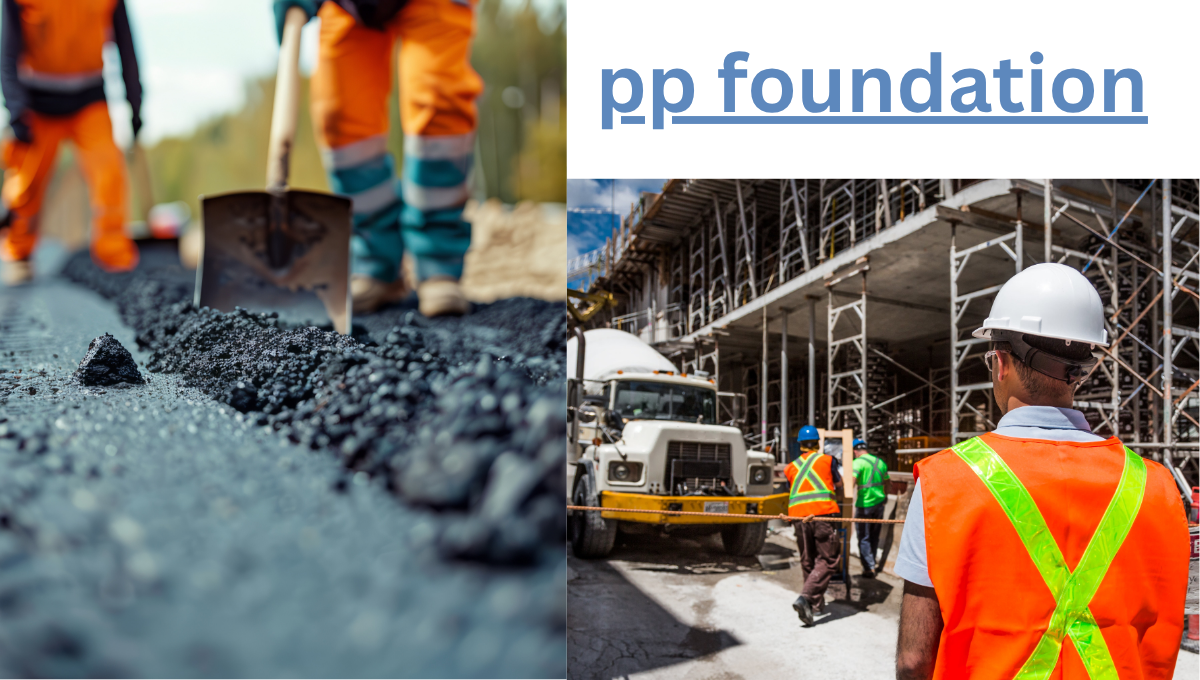
1. What Is a PP Foundation?
A PP foundation refers to a foundation system that utilizes polypropylene (PP) materials, known for their lightweight, durable, and chemical-resistant properties. Polypropylene is a thermoplastic polymer used across various industries, including construction, due to its cost-efficiency and sustainability. In the context of foundations, PP components are used in drainage systems, subfloor insulation, or geotextile layers that stabilize the base of buildings and infrastructure.
Unlike traditional concrete or steel foundation components, PP materials are non-corrosive and maintain their integrity over time, even in moist or chemically active environments. This makes them ideal for a range of applications, from residential construction to large-scale infrastructure projects in challenging soil conditions.
2. Advantages of Polypropylene in Construction Foundations
PP foundations offer several benefits, with one of the most notable being their resistance to moisture and chemical degradation. This makes them suitable for use in areas with poor drainage, high salinity, or industrial waste exposure. The material’s flexibility also helps reduce cracking and warping due to ground movement, providing a more stable base over time.
Another key advantage is their lightweight nature, which simplifies transportation, handling, and installation. Builders can complete projects faster and with less labor, reducing overall costs. Additionally, polypropylene is recyclable, contributing to more sustainable construction practices and minimizing environmental impact.
3. Common Applications of PP Foundation Systems
PP materials are commonly used in subgrade insulation layers, drainage systems, erosion control, and geotextile fabric installations beneath foundations. These applications help manage water flow, prevent soil erosion, and distribute weight evenly across the foundation base.
In commercial construction, PP geogrids and drainage mats are often integrated beneath roads, parking lots, and heavy buildings. In residential settings, PP-based insulation panels and moisture barriers are used to improve thermal efficiency and protect the structural integrity of basements and crawl spaces.
4. PP Foundation vs. Traditional Concrete Foundations
While concrete remains the dominant material in foundation construction, PP components provide unique enhancements that concrete alone cannot offer. For example, PP drainage systems are less prone to clogging and don’t degrade as quickly as metal or clay alternatives.
When used alongside concrete, PP systems enhance foundation performance by managing moisture, improving insulation, and increasing lifespan. The hybrid approach—combining concrete for load-bearing with PP for performance—has gained popularity in eco-friendly and energy-efficient building designs.
5. Installation Techniques for PP Foundation Systems
Installing PP foundation systems typically involves preparing the subsoil, laying geotextile or drainage components, and integrating them with traditional materials like gravel, sand, or concrete. The simplicity of the installation process makes PP components ideal for both small-scale and large-scale projects.
Professionals use specialized tools to secure PP sheets or panels in place, ensuring optimal alignment and performance. Once installed, these systems require minimal maintenance and offer long-term reliability in a variety of soil and climate conditions.
6. Environmental Benefits of PP Foundations
One of the standout features of polypropylene is its recyclability and low environmental footprint. Unlike materials that require significant energy to produce or that release toxic substances, PP is more environmentally friendly throughout its lifecycle.
In green construction, PP foundations help reduce energy usage through improved insulation and reduced need for additional materials. By minimizing soil erosion and managing water more effectively, PP systems also contribute to sustainable land use and urban planning.
7. Durability and Lifespan of Polypropylene Foundation Materials
PP materials are known for their exceptional durability, resisting wear and tear from environmental stressors such as UV exposure, chemical contact, and moisture intrusion. These characteristics make PP ideal for long-term foundation applications, especially in unstable or aggressive soil conditions.
Studies have shown that polypropylene used in construction can last several decades without significant degradation. When properly installed and maintained, a PP foundation system can offer as much, if not more, longevity than traditional alternatives.
8. Cost-Effectiveness of Using PP in Foundation Systems
Polypropylene components are often more affordable than metal or concrete alternatives, especially when factoring in installation speed and long-term maintenance savings. Their lightweight nature reduces transportation costs, while their durability minimizes the need for future repairs or replacements.
In large-scale projects, these savings add up significantly. Contractors and developers increasingly turn to PP solutions to keep budgets manageable while meeting performance and sustainability goals.
9. Emerging Technologies in PP Foundation Design
The field of polypropylene foundation materials is evolving rapidly, with new innovations focusing on performance optimization and eco-friendliness. Advanced PP blends are being developed to improve strength and temperature resistance, expanding their usability in harsh climates.
Additionally, manufacturers are now producing smart PP foundation systems that integrate sensors to monitor moisture levels, pressure, and structural movement in real time. These advancements allow for proactive maintenance and improved safety in modern construction.
10. Choosing the Right PP Foundation System for Your Project
Selecting the appropriate PP foundation components depends on your project’s specific requirements, such as soil type, load capacity, and exposure to moisture or chemicals. Consulting with engineers or foundation specialists ensures the system is tailored for long-term success.
From residential homes to commercial buildings and road infrastructure, PP foundation systems offer adaptable, cost-effective, and sustainable solutions. As awareness of their benefits grows, more builders and developers are making them a preferred choice for modern foundation design.
